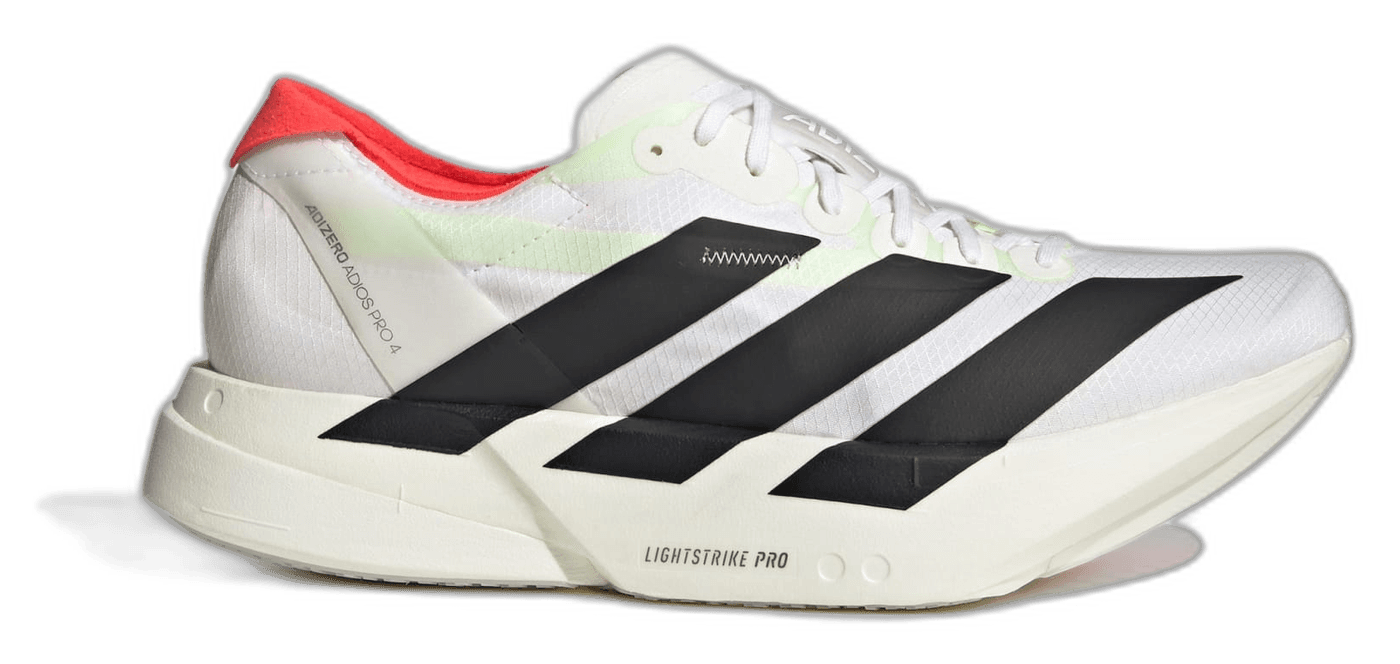
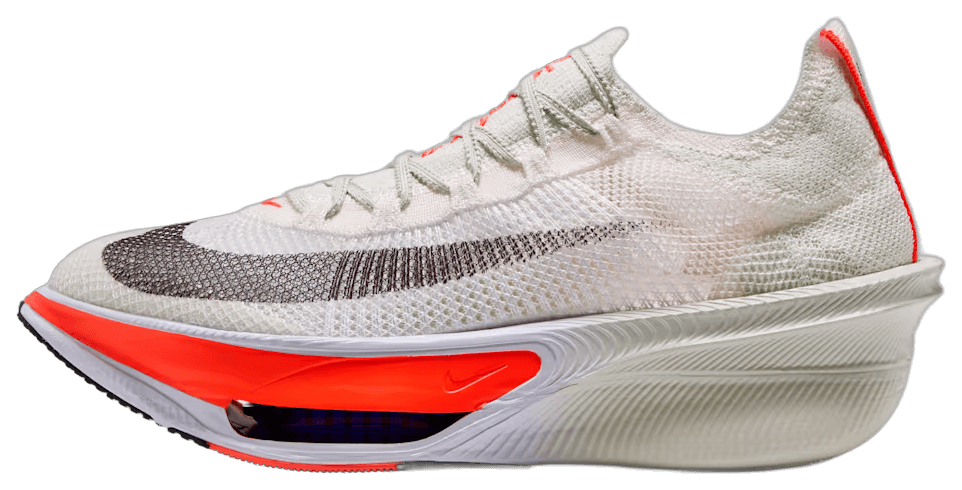
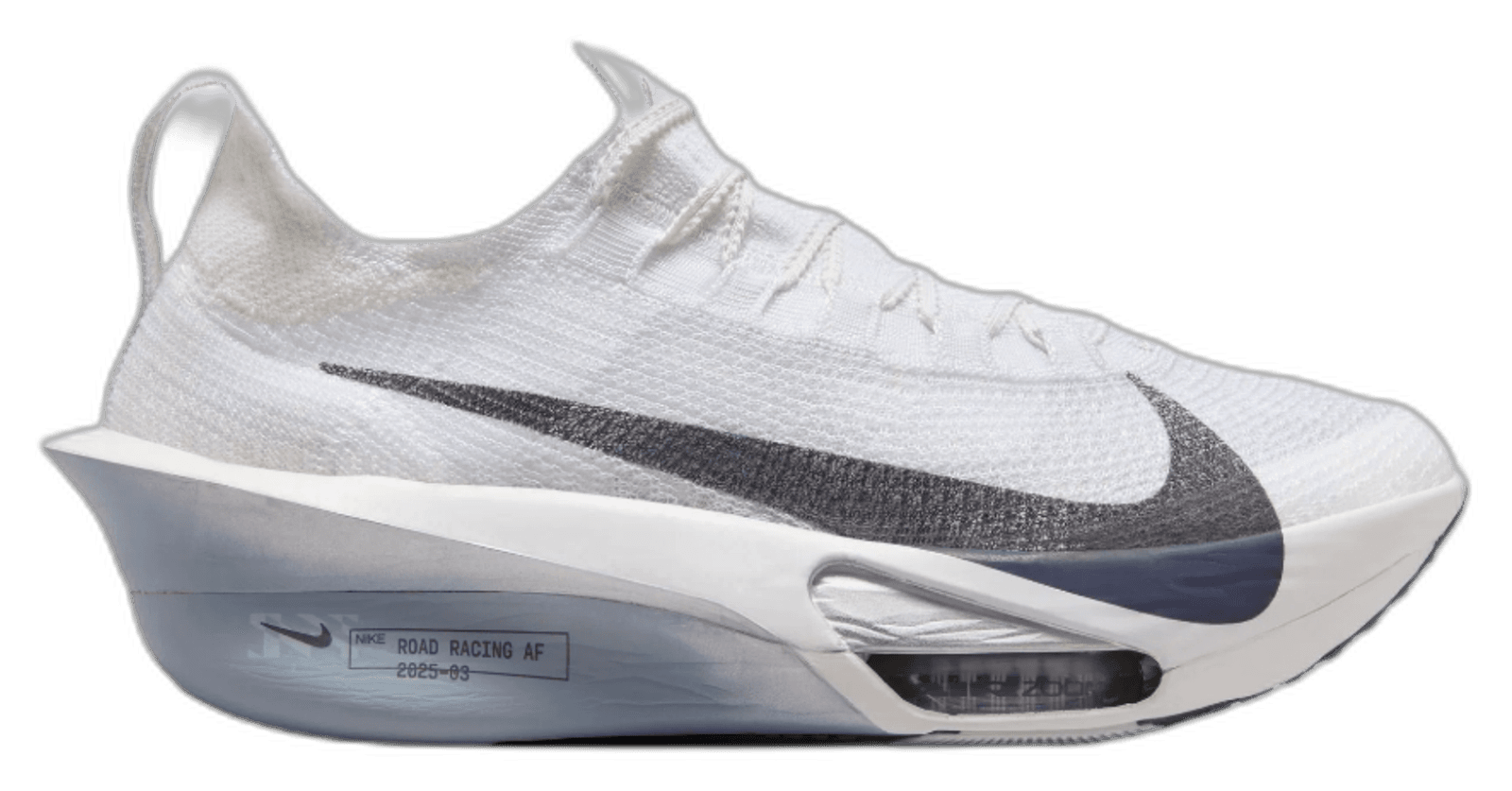
The Nike Alphafly 4 delivers a noticeably softer, butter-smooth forefoot ride with its new ZoomX LT dual-layer foam and wider Flyplate at a rare $15 price drop to $280, but it trades away rearfoot stability for heel strikers compared to the rock-solid Alphafly 3. Midfoot and forefoot marathoners will relish the extra bounce and smoother transitions of the Alphafly 4, while heel strikers and late-race overpronators are better off grabbing the Nike Alphafly 3 while it is heavily discounted.
When Nike announced the Alphafly 4 for wide release in late October 2026, the running internet braced for a $310 price tag. Instead, Nike did the unthinkable in the super-shoe era: they dropped the sticker price from $295 down to $280. But beyond the price tag, what actually changed under your feet, and is it worth putting your current marathon pair out to pasture?
1. Quick Specs & Runner Scorecard
Here is how the fresh Alphafly 4 stacks up against the Nike Alphafly 3 and its primary rival, the adidas Adizero Adios Pro 4:
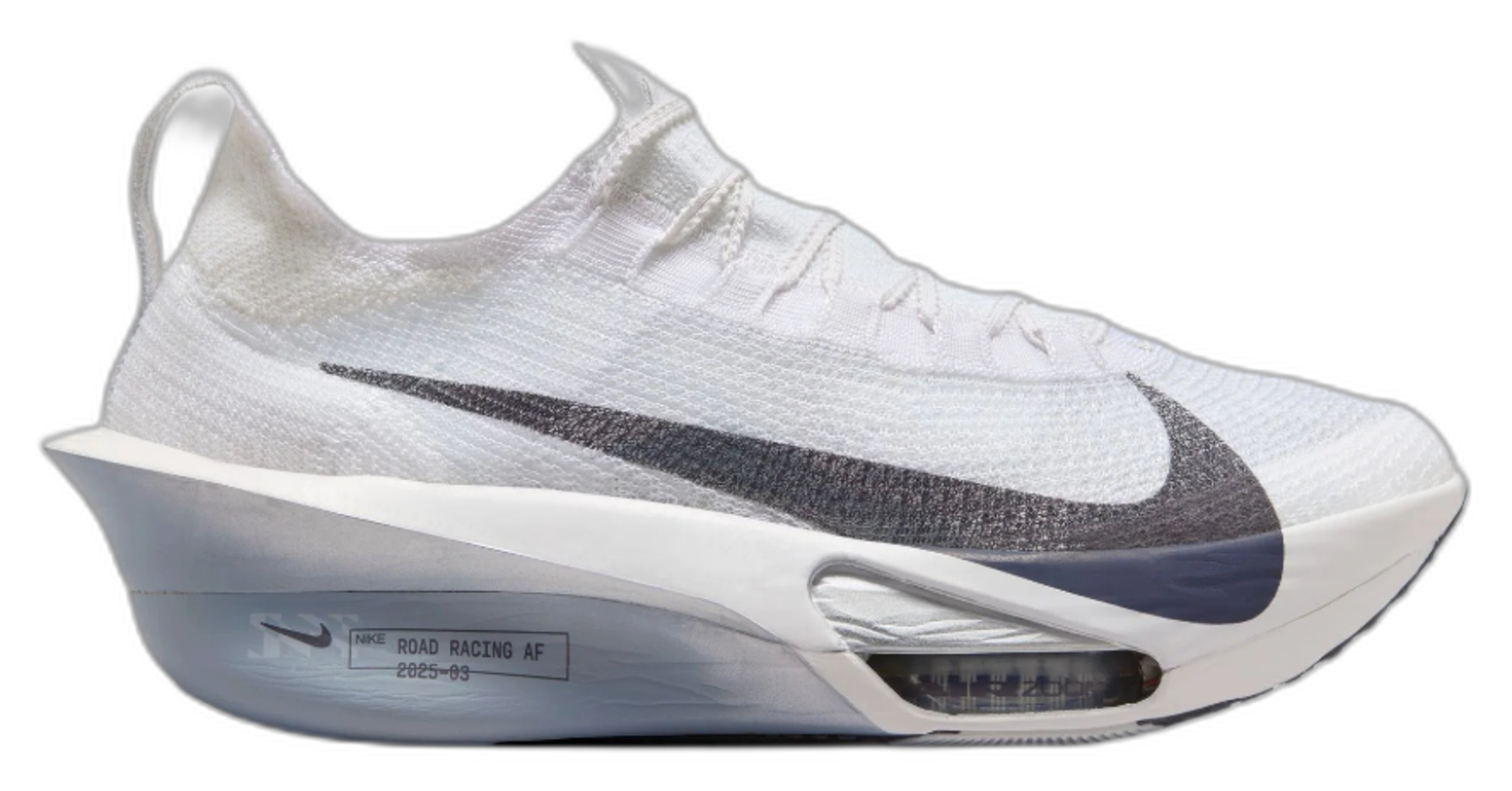
| Shoe Model | Retail Price | Measured Weight (US M9) | Stack Height (Heel / Forefoot) | Heel Drop | Midsole Foam Setup | Carbon Plate Geometry | Stability Tier |
|---|---|---|---|---|---|---|---|
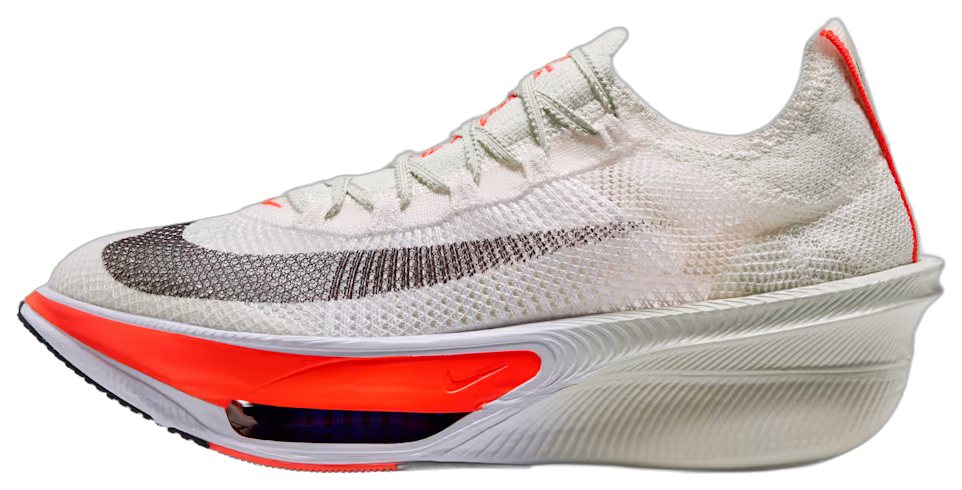
| Nike Alphafly 4 | $280 (↓ $15) | ~188g | 39.0mm / 31.0mm | 8mm | ZoomX LT Dual-Layer + Air Zoom Pods | Full-length wider curved Flyplate | Moderate (Neutral Only) |
| Nike Alphafly 3 | $295 (On Sale) | 218g | 39.0mm / 31.0mm | 8mm | Standard ZoomX + Air Zoom Pods | Full-length continuous Flyplate | High (for a super shoe) |
| adidas Adios Pro 4 | $250 | 200g | 39.0mm / 35.0mm | 4mm | Lightstrike Pro | Carbon EnergyRods 2.0 | High |
2. Four Big Changes That Actually Matter
1. The Price Cut: A Rare Super-Shoe Discount
In an economy where daily trainers are creeping toward $180, Nike dropped the flagship price by $15. At $280, it undercuts the rumored luxury apex tier coming in 2027 while keeping Nike within striking distance of the competition.
2. ZoomX LT Foam: Softer, Quieter, and Butter-Smooth
The Alphafly 3 had an aggressive, mechanical feel—you felt the firm snap of the Flyplate and the direct pop of the dual Air Zoom units under your metatarsals. In the Alphafly 4, Nike introduced ZoomX LT, a dual-layer formulation that sandwiches the carbon plate with noticeably softer durometers:
- Plush Landing: Footstrike feels far less harsh on fatigued quads after 20 miles.
- Muffled Air Pods: The signature clack-clack sound of previous Alphafly generations is significantly dampened thanks to refined rubber casing around the Air units.
- Smoother Roll: Transitioning from midfoot to toe-off feels continuous rather than stepped.
3. A Wider Carbon Flyplate
To accommodate the softer ZoomX LT foam, Nike widened the carbon plate geometry through the midfoot and forefoot. This keeps the shoe tracking in a straight line during high-cadence cruising and prevents the foot from rolling off the high 39mm stack when you stay up on your toes.
4. Lighter Atomknit 2.0 and "Fast Shot" Outsole
Weight drops down to approximately 188g in sample sizes. The Atomknit 2.0 upper is stretchier around the collar, making the shoe much easier to pull on than the notorious ankle-trap of the Alphafly 1 and 2, while the new segmented "Fast Shot" rubber pattern sheds grams without sacrificing wet-tarmac grip.
3. The Big Caveat: Heel Strikers Beware
Here is the honest runner consensus that glossy marketing copy will not tell you: the Alphafly 4 is softer, but it is noticeably less forgiving in the heel.
Runner Consensus: If you land solidly on your heels or tend to collapse inward when fatigue hits at mile 22, the softer rear ZoomX LT foam on the Alphafly 4 compresses significantly deeper than the Alphafly 3. This creates a trampoline effect for forefoot striders, but a wobbly, unstable sensation for heel strikers.
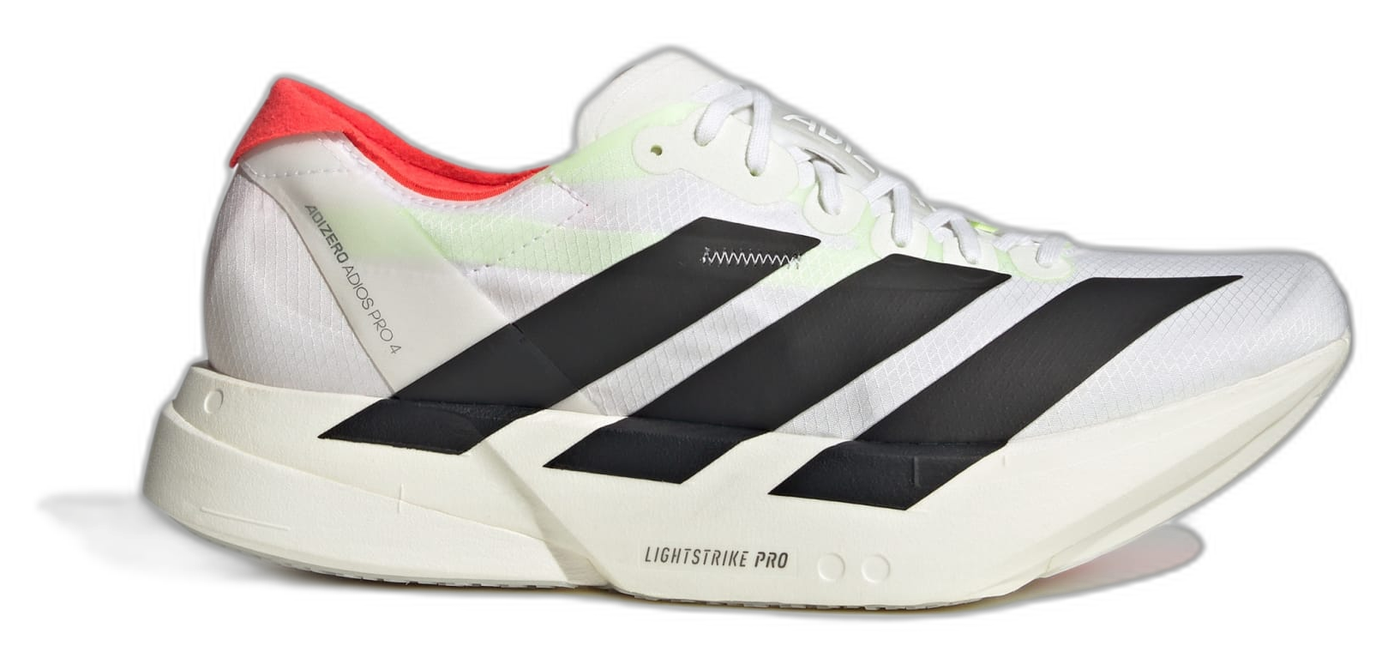
Need Planted Rearfoot Stability? Consider the Adios Pro 4
With a broader heel platform, Lightstrike Pro foam, and slotted EnergyRods, the adidas Adios Pro 4 provides a much more planted landing zone for heel strikers who cannot tolerate the Alphafly 4's narrowed rear bevel.
- Midfoot / Forefoot Striders: You will likely find the Alphafly 4 to be the most comfortable, effortless marathon racer Nike has ever poured into a mold. The energy rebound off the Air Pods feels springy and effortless.
- Heel Striders: The narrower rear bevel and softened foam core mean your ankles have to do more stabilization work late in the race. If you need structural confidence, the stiffer rear chassis of the Nike Alphafly 3 or the broader base of the adidas Adios Pro 4 provides a safer ride.
4. The Verdict: Who Should Upgrade?
Upgrade to the Alphafly 4 if:
- You are a midfoot or forefoot striker who wants maximum squish and effortless trampoline bounce over 26.2 miles.
- You found the Alphafly 3 too firm or harsh under the balls of your feet during long training blocks.
- You want a lighter, less aggressive race-day shoe that rolls smoothly through 5K, half marathon, and full marathon paces.
Stick with (or buy) the Alphafly 3 if:
- You strike with your heel first and rely on a stable, structured rearfoot platform to keep your ankles aligned.
- You love a bargain: Retailers are discounting remaining stock of the Nike Alphafly 3 well below $220 to clear shelves for the 4.
- You prefer a firm, mechanical snap that rewards aggressive, high-power turnover over pillowy sink-in comfort.
Frequently Asked Questions
Is the Nike Alphafly 4 true to size?
Yes. The Atomknit 2.0 upper has a slightly more accommodating midfoot volume than the Alphafly 3, meaning most runners will feel perfectly comfortable in their true US running shoe size without needing to size up for toe splay.
Why did Nike lower the price of the Alphafly 4?
Nike adjusted its marathon footwear pyramid: positioning the upcoming $350 Nike Apex above the Alphafly 4, allowing the Alphafly 4 to sit competitively at $280 against rivals like the adidas Adios Pro 5 and Saucony Endorphin Pro series.
Can heel strikers run a marathon in the Alphafly 4?
Yes, but with caution. Heel strikers who maintain strong ankle stability and a neutral gait will enjoy the lightweight speed, but runners who experience late-race fatigue and heavy overpronation will find the firmer Alphafly 3 significantly more supportive.