Why choose Challenger 7?Buy Challenger 7 if
+0.3 Energy Return & Bounce+0.3 Underfoot Rebound: Snappier propulsion and mechanical return through toe-off.
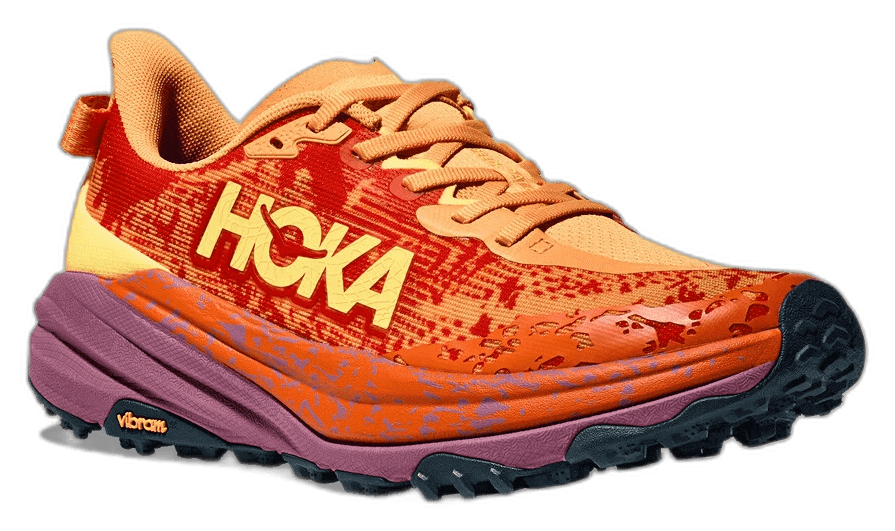
+0.3 Underfoot Rebound: Snappier propulsion and mechanical return through toe-off.
+1.2 Traction & Grip: Higher-traction compound for wet roads and fast corners.
Side-by-side selection criteria grounded in verified mechanical specs
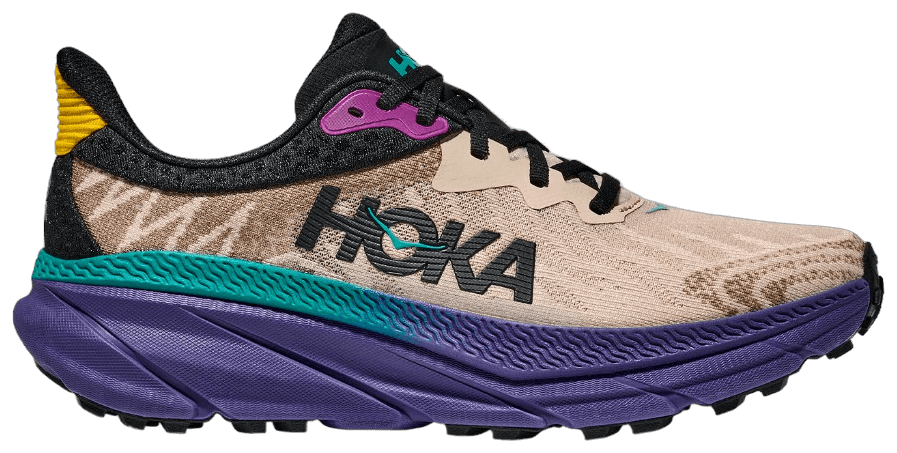
Choose the Challenger 7 if your priority is explosive energy return and dynamic toe-off propulsion powered by Compression-molded EVA lightweight foam and a noticeably lighter weight (252g vs 278g). It is the better match for runners targeting race-pace velocity and responsive tempo efforts over the Speedgoat 6's focus on high-mileage protection and low-impact recovery cruising.
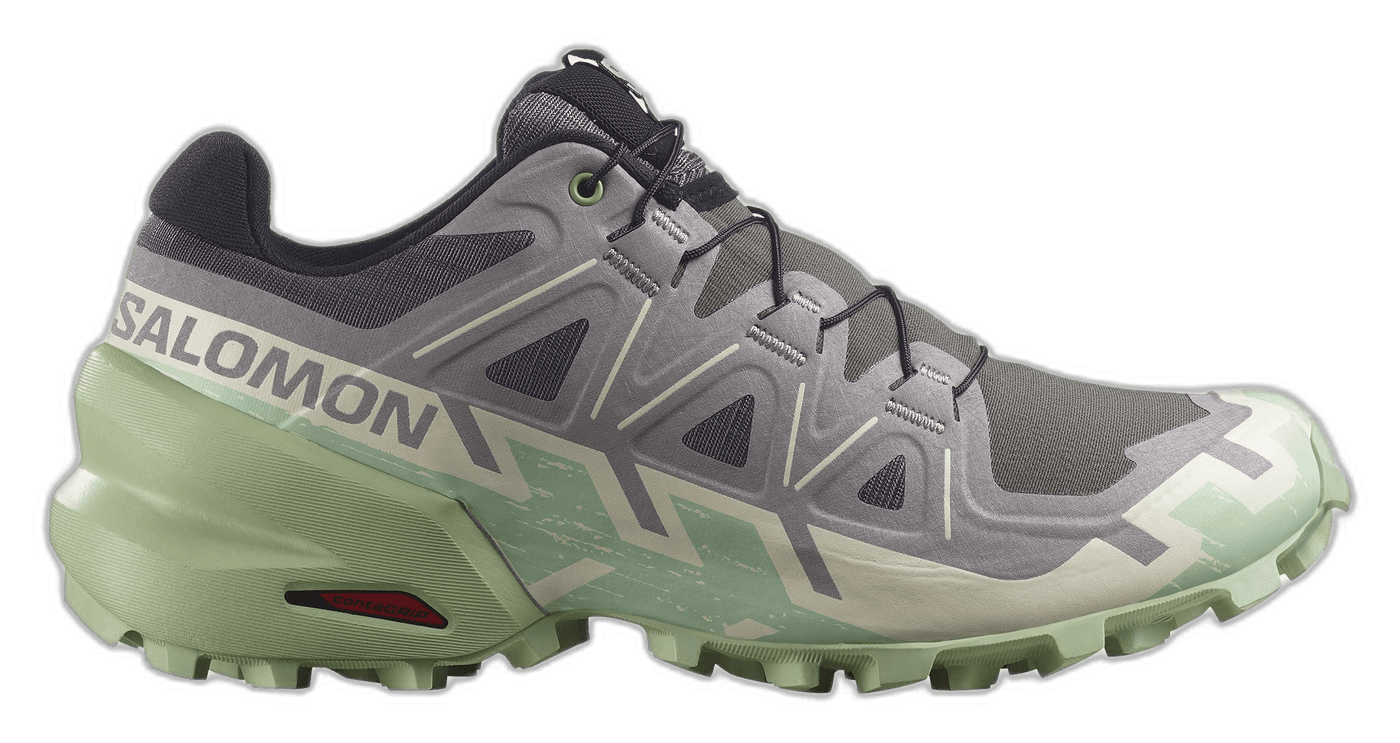
Choose the Speedgoat 6 if your priority is tenacious rubber bite across slick pavement and wet turns powered by Lighter, more responsive compression-molded EVA (278g). It is the better match for runners targeting all-weather grip and confident cornering on slick streets over the Challenger 7's focus on race-pace velocity and responsive tempo efforts.
Critical biomechanical trade-offs to avoid buying the wrong shoe
Skip Challenger 7 if your mileage includes paved asphalt or concrete; aggressive 4mm lugs wear rapidly on hard surfaces and cause harsh ground shock.
Skip Speedgoat 6 if your mileage includes paved asphalt or concrete; aggressive 5mm lugs wear rapidly on hard surfaces and cause harsh ground shock.
Real-world wear-test consensus across runner foot profiles
| RADAR AXIS | Challenger 7 | Speedgoat 6 | Δ DELTA | COHORT RANK |
|---|---|---|---|---|
| Cushioning & Softness | 8.2 | 8.6 | −0.4 (Speedgoat 6 higher by NaN) | #17/28 |
| Energy Return & Bounce | 7.5 | 7.2 | +0.3 (Challenger 7 higher by 0.3) | #17/28 |
| Weight Efficiency | 7.9 | 7.7 | +0.2 (Challenger 7 higher by 0.2) | #17/28 |
| Stability & Support | 7.5 | 8.0 | −0.5 (Speedgoat 6 higher by NaN) | #17/28 |
| Traction & Grip | 7.9 | 9.1 | −1.2 (Speedgoat 6 higher by NaN) | #17/28 |
| Upper Comfort & Lockdown | 8.2 | 8.0 | +0.2 (Challenger 7 higher by 0.2) | #17/28 |
| Breathability | 7.7 | 7.4 | +0.3 (Challenger 7 higher by 0.3) | #17/28 |
| Durability | 7.5 | 8.2 | −0.7 (Speedgoat 6 higher by NaN) | #17/28 |
| Meta-Score | 78contender | 82strong | −4.0 | Calibrated |
Cohort-relative percentiles and verified technical specs
›HOKA Challenger 7 saves 26g per stride, noticeable after mile 6 of continuous running.
›HOKA Speedgoat 6 delivers 9.0mm more vibration isolation for long recovery efforts than Challenger 7.
›Both shoes share an identical 5mm drop geometry for balanced biomechanical loading.
›Compression-molded EVA lightweight foam yields a springier, high-rebound toe-off compared to Lighter, more responsive compression-molded EVA's grounded, stable feel.
›Speedgoat 6 utilizes Vibram Megagrip with Traction Lug (5mm depth) compound formulated for extended 500+ mile abrasive asphalt longevity.
Real-world wear-test consensus across runner foot profiles
Cohort-relative percentiles and verified technical specs
›HOKA Challenger 7 saves 26g per stride, noticeable after mile 6 of continuous running.
›HOKA Speedgoat 6 delivers 9.0mm more vibration isolation for long recovery efforts than Challenger 7.
›Both shoes share an identical 5mm drop geometry for balanced biomechanical loading.
›Compression-molded EVA lightweight foam yields a springier, high-rebound toe-off compared to Lighter, more responsive compression-molded EVA's grounded, stable feel.
›Speedgoat 6 utilizes Vibram Megagrip with Traction Lug (5mm depth) compound formulated for extended 500+ mile abrasive asphalt longevity.
| RADAR AXIS | Challenger 7 | Speedgoat 6 | Δ DELTA | COHORT RANK |
|---|---|---|---|---|
| Cushioning & Softness | 8.2 | 8.6 | −0.4 (Speedgoat 6 higher by NaN) | #17/28 |
| Energy Return & Bounce | 7.5 | 7.2 | +0.3 (Challenger 7 higher by 0.3) | #17/28 |
| Weight Efficiency | 7.9 | 7.7 | +0.2 (Challenger 7 higher by 0.2) | #17/28 |
| Stability & Support | 7.5 | 8.0 | −0.5 (Speedgoat 6 higher by NaN) | #17/28 |
| Traction & Grip | 7.9 | 9.1 | −1.2 (Speedgoat 6 higher by NaN) | #17/28 |
| Upper Comfort & Lockdown | 8.2 | 8.0 | +0.2 (Challenger 7 higher by 0.2) | #17/28 |
| Breathability | 7.7 | 7.4 | +0.3 (Challenger 7 higher by 0.3) | #17/28 |
| Durability | 7.5 | 8.2 | −0.7 (Speedgoat 6 higher by NaN) | #17/28 |
| Meta-Score | 78contender | 82strong | −4.0 | Calibrated |
Side-by-side selection criteria grounded in verified mechanical specs
Choose the Challenger 7 if your priority is explosive energy return and dynamic toe-off propulsion powered by Compression-molded EVA lightweight foam and a noticeably lighter weight (252g vs 278g). It is the better match for runners targeting race-pace velocity and responsive tempo efforts over the Speedgoat 6's focus on high-mileage protection and low-impact recovery cruising.
Choose the Speedgoat 6 if your priority is tenacious rubber bite across slick pavement and wet turns powered by Lighter, more responsive compression-molded EVA (278g). It is the better match for runners targeting all-weather grip and confident cornering on slick streets over the Challenger 7's focus on race-pace velocity and responsive tempo efforts.
Both models occupy the exact same trail slot on your shoe rack. Rather than buying both, runner consensus suggests picking the lighter Challenger 7 (252g) for quicker cadence, or the Speedgoat 6 for its Lighter, more responsive compression-molded EVA ride feel and structure.
High-traffic benchmark rivalries and cohort showdowns