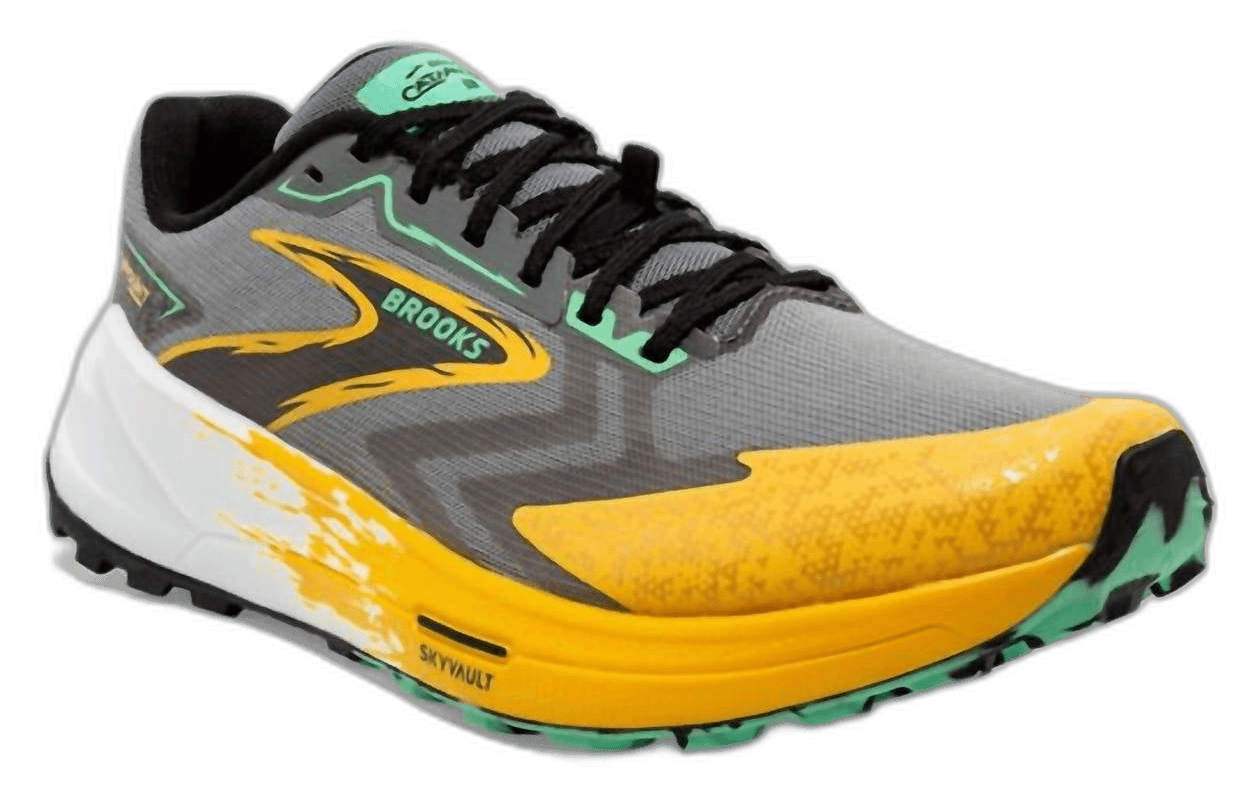
Why choose Cascadia 18?Buy Cascadia 18 if
+2.1 Stability & Support+2.1 Stability & Support: Better measured rating in wear-test consensus.
+2.1 Stability & Support: Better measured rating in wear-test consensus.
+0.4 Underfoot Rebound: Snappier propulsion and mechanical return through toe-off.
Side-by-side selection criteria grounded in verified mechanical specs
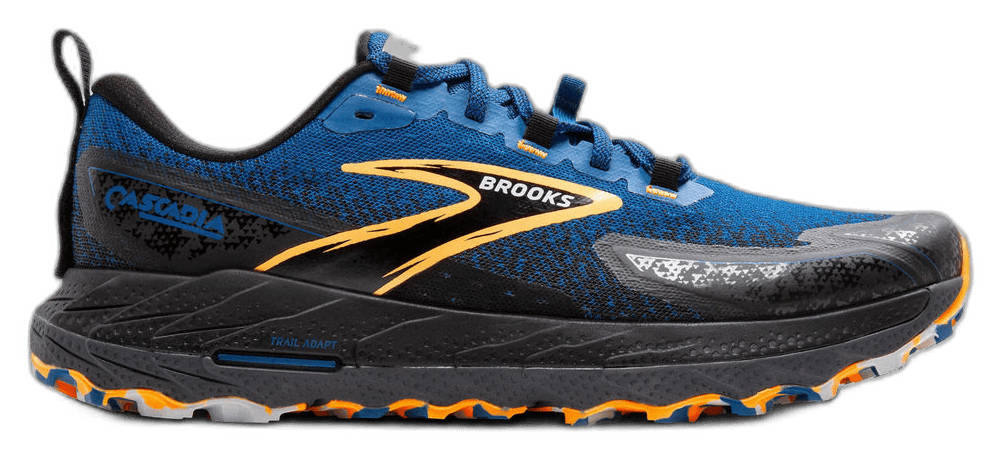
Choose the Cascadia 18 if your priority is a secure, planted base with confident guidance powered by DNA LOFT v2 EVA blend with Trail Adapt system (314g). It is the better match for runners targeting neutral support and surefooted stride containment over the Sense Ride 5's focus on race-pace velocity and responsive tempo efforts.
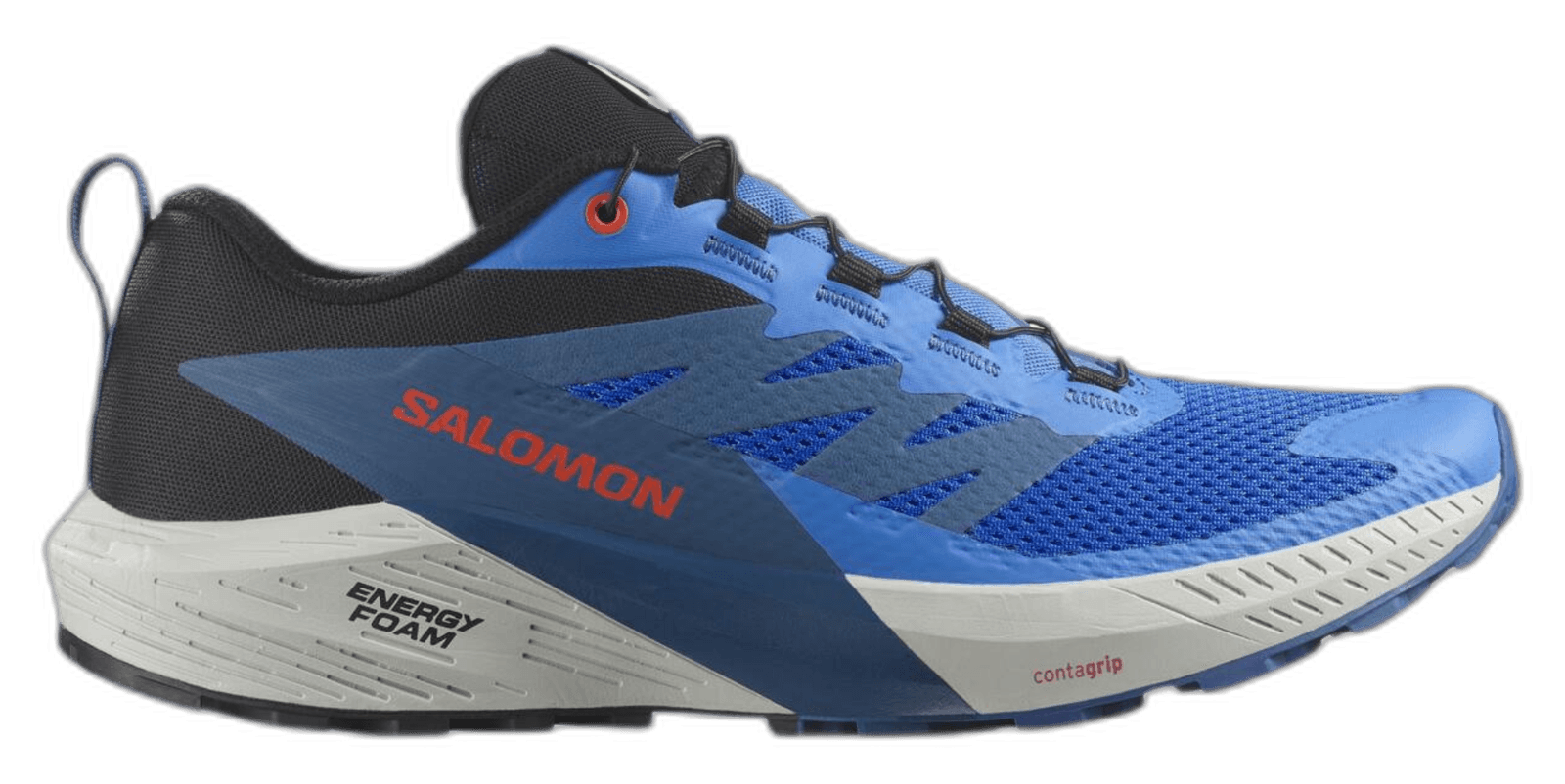
Choose the Sense Ride 5 if your priority is explosive energy return and dynamic toe-off propulsion powered by energyFOAM lightweight rebound foam and a noticeably lighter weight (293g vs 314g). It is the better match for runners targeting race-pace velocity and responsive tempo efforts over the Cascadia 18's focus on high-mileage protection and low-impact recovery cruising.
Critical biomechanical trade-offs to avoid buying the wrong shoe
Skip Cascadia 18 if your mileage includes paved asphalt or concrete; aggressive 4.5mm lugs wear rapidly on hard surfaces and cause harsh ground shock.
Skip Sense Ride 5 if you want a featherweight speed-day shoe; at 293g, it is calibrated for workhorse longevity rather than race pace.
Real-world wear-test consensus across runner foot profiles
| RADAR AXIS | Cascadia 18 | Sense Ride 5 | Δ DELTA | COHORT RANK |
|---|---|---|---|---|
| Cushioning & Softness | 7.6 | 7.2 | +0.4 (Cascadia 18 higher by 0.4) | #8/28 |
| Energy Return & Bounce | 6.2 | 6.6 | −0.4 (Sense Ride 5 higher by NaN) | #8/28 |
| Weight Efficiency | 6.6 | 5.8 | +0.8 (Cascadia 18 higher by 0.8) | #8/28 |
| Stability & Support | 8.8 | 6.7 | +2.1 (Cascadia 18 higher by 2.1) | #8/28 |
| Traction & Grip | 8.6 | 8.2 | +0.4 (Cascadia 18 higher by 0.4) | #8/28 |
| Upper Comfort & Lockdown | 8.2 | 7.7 | +0.5 (Cascadia 18 higher by 0.5) | #8/28 |
| Breathability | 7.6 | 6.9 | +0.7 (Cascadia 18 higher by 0.7) | #8/28 |
| Durability | 8.6 | 7.3 | +1.3 (Cascadia 18 higher by 1.3) | #8/28 |
| Meta-Score | 80contender | 72average | +8.0 | Calibrated |
Cohort-relative percentiles and verified technical specs
›Salomon Sense Ride 5 saves 21g per stride, noticeable after mile 6 of continuous running.
›Brooks Cascadia 18 delivers 3.4mm more vibration isolation for long recovery efforts than Sense Ride 5.
›Sense Ride 5's 8.3mm drop shifts load toward the knees/quads, while Cascadia 18's 8mm drop engages the Achilles and calves.
›energyFOAM lightweight rebound foam yields a springier, high-rebound toe-off compared to DNA LOFT v2 EVA blend with Trail Adapt system's grounded, stable feel.
›Cascadia 18 utilizes TrailTack Green rubber with 4.5mm lugs and rock shield compound formulated for extended 500+ mile abrasive asphalt longevity.
Real-world wear-test consensus across runner foot profiles
Cohort-relative percentiles and verified technical specs
›Salomon Sense Ride 5 saves 21g per stride, noticeable after mile 6 of continuous running.
›Brooks Cascadia 18 delivers 3.4mm more vibration isolation for long recovery efforts than Sense Ride 5.
›Sense Ride 5's 8.3mm drop shifts load toward the knees/quads, while Cascadia 18's 8mm drop engages the Achilles and calves.
›energyFOAM lightweight rebound foam yields a springier, high-rebound toe-off compared to DNA LOFT v2 EVA blend with Trail Adapt system's grounded, stable feel.
›Cascadia 18 utilizes TrailTack Green rubber with 4.5mm lugs and rock shield compound formulated for extended 500+ mile abrasive asphalt longevity.
| RADAR AXIS | Cascadia 18 | Sense Ride 5 | Δ DELTA | COHORT RANK |
|---|---|---|---|---|
| Cushioning & Softness | 7.6 | 7.2 | +0.4 (Cascadia 18 higher by 0.4) | #8/28 |
| Energy Return & Bounce | 6.2 | 6.6 | −0.4 (Sense Ride 5 higher by NaN) | #8/28 |
| Weight Efficiency | 6.6 | 5.8 | +0.8 (Cascadia 18 higher by 0.8) | #8/28 |
| Stability & Support | 8.8 | 6.7 | +2.1 (Cascadia 18 higher by 2.1) | #8/28 |
| Traction & Grip | 8.6 | 8.2 | +0.4 (Cascadia 18 higher by 0.4) | #8/28 |
| Upper Comfort & Lockdown | 8.2 | 7.7 | +0.5 (Cascadia 18 higher by 0.5) | #8/28 |
| Breathability | 7.6 | 6.9 | +0.7 (Cascadia 18 higher by 0.7) | #8/28 |
| Durability | 8.6 | 7.3 | +1.3 (Cascadia 18 higher by 1.3) | #8/28 |
| Meta-Score | 80contender | 72average | +8.0 | Calibrated |
Side-by-side selection criteria grounded in verified mechanical specs
Choose the Cascadia 18 if your priority is a secure, planted base with confident guidance powered by DNA LOFT v2 EVA blend with Trail Adapt system (314g). It is the better match for runners targeting neutral support and surefooted stride containment over the Sense Ride 5's focus on race-pace velocity and responsive tempo efforts.
Choose the Sense Ride 5 if your priority is explosive energy return and dynamic toe-off propulsion powered by energyFOAM lightweight rebound foam and a noticeably lighter weight (293g vs 314g). It is the better match for runners targeting race-pace velocity and responsive tempo efforts over the Cascadia 18's focus on high-mileage protection and low-impact recovery cruising.
Both models occupy the exact same trail slot on your shoe rack. Rather than buying both, runner consensus suggests picking the lighter Sense Ride 5 (293g) for quicker cadence, or the Cascadia 18 for its DNA LOFT v2 EVA blend with Trail Adapt system ride feel and structure.
High-traffic benchmark rivalries and cohort showdowns